
Opening Hours
Monday: 7:00 a.m. - 2:30 p.m.
Tuesday: 7:00 a.m. - 2:30 p.m.
Wednesday: Closed
Thursday: 7:00 a.m.- 2:30 p.m.
Friday: 7:00 a.m. - 2:30 p.m.
Saturday: Closed
Sunday: Closed
Advancements in Zirconia Crowns for Dental Restoration
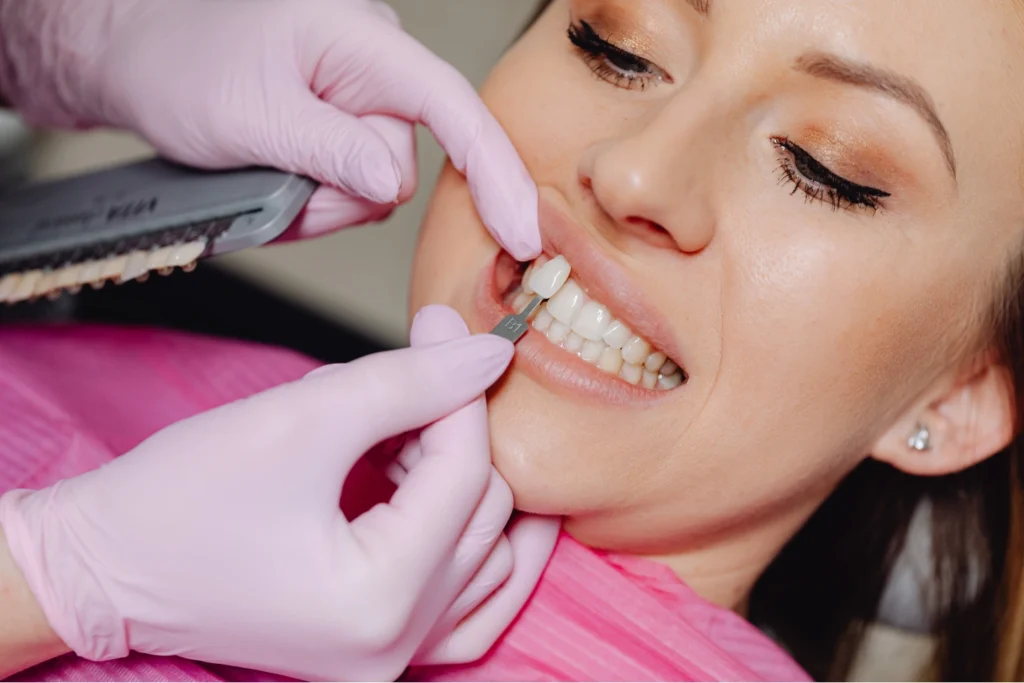
Zirconia crowns have become a revolutionary option in modern dental restoration, offering exceptional durability, advanced aesthetics, and unmatched biocompatibility. As technology continues to evolve, zirconia crowns have become a preferred choice for patients and dental professionals alike. These dental crowns provide a long-lasting solution for restoring damaged teeth, enhancing the natural beauty of smiles, and improving overall oral health. In this blog, we will explore the latest advancements in zirconia crown technology and how they are transforming dental care.
Introduction to Zirconia Crowns
Zirconia crowns are crafted from zirconium dioxide, a ceramic material known for its strength and natural resemblance to real teeth. Unlike traditional metal or porcelain crowns, zirconia crowns offer an optimal combination of durability and aesthetics, making them an excellent choice for patients seeking long-lasting solutions. They are used to restore damaged or weakened teeth, providing both functional and cosmetic benefits while maintaining a natural smile. At Star Dental Institute, our experts also guide patients on how to Prevent Tooth Erosion and Damage, ensuring that restorations like zirconia crowns remain strong and healthy for years. Zirconia’s unique properties, including its strength, biocompatibility, and natural-looking appearance, make it a superior option for various dental restorations.
Recent Advancements in Zirconia Crown Technology
1. Enhanced Durability and Strength
One of the most significant advancements in zirconia crowns is their exceptional strength. Modern zirconia materials are engineered to withstand intense chewing forces and offer superior resistance to cracking, chipping, and fracturing. In general dentistry, this makes them ideal for patients who suffer from bruxism (teeth grinding) and those requiring restorations in areas subjected to significant pressure, such as the molars. With improved durability, zirconia crowns ensure long-lasting performance, even in demanding oral environments.
2. Natural-Looking Aesthetics
Advancements in zirconia technology have led to the creation of high-translucent zirconia crowns that closely mimic the appearance of natural teeth. These crowns provide a seamless blend with the surrounding dental structures, resulting in a more natural and aesthetically pleasing smile. Digital technology and 3D printing have further enhanced the precision of zirconia crowns, ensuring they look as close to natural teeth as possible, down to the smallest detail.
3. Biocompatibility and Safety
Zirconia crowns are highly biocompatible, meaning they are safe for patients with metal allergies or sensitivities. Unlike metal-based restorations, zirconia does not cause allergic reactions or irritation, making it a comfortable and safe choice for patients with hypersensitivity concerns. This biocompatibility is one of the key factors driving their popularity among patients with sensitivities to traditional metal restorations.
4. Precision and Customization
With the integration of computer-aided design and computer-aided manufacturing (CAD/CAM) technology, zirconia crowns are now more customizable than ever before. Dental professionals can create highly accurate restorations that perfectly match the patient’s natural bite and smile. This level of precision ensures a comfortable fit and a crown that looks and functions exactly like a natural tooth.
5. Minimally Invasive Procedures and Faster Recovery
Modern zirconia crowns require minimal preparation of the natural tooth structure, preserving more of the healthy enamel. This conservative approach not only ensures a more natural feel but also speeds up the recovery process. Patients typically experience less discomfort and a quicker healing time following the procedure compared to more invasive dental treatments.
Benefits of Zirconia Crowns
- Exceptional Durability: Zirconia crowns can withstand substantial forces from chewing and grinding without losing their integrity.
- Natural-Looking Appearance: Advanced zirconia materials provide a highly realistic look, blending seamlessly with natural teeth.
- Biocompatibility: Designed to be safe for individuals with metal sensitivities, reducing the risk of allergic reactions.
- Minimal Tooth Preparation: Offers a more conservative option by preserving more of the natural tooth structure.
- Comfort and Precision: Tailored for a precise fit that ensures both functionality and a natural appearance.
Conclusion
Zirconia crowns have set a new standard in dental restoration, blending strength, aesthetics, and biocompatibility to provide a superior solution for a variety of dental issues. With the latest advancements in technology and the use of high-translucent zirconia materials, these crowns deliver exceptional benefits for both function and appearance. Whether for single tooth restoration or complex dental reconstructions, zirconia crowns continue to transform dental care, enhance smiles, and improve patient satisfaction. To explore more about different types of crowns and their advantages, you can check Your Complete Guide to Dental Crowns: Benefits and Options, which offers detailed insights to help you make the best choice. So if you’re considering this durable and natural-looking option, don’t wait to book an appointment today.
How IV Sedation Makes Your Dental Visit Comfortable and Stress-Free
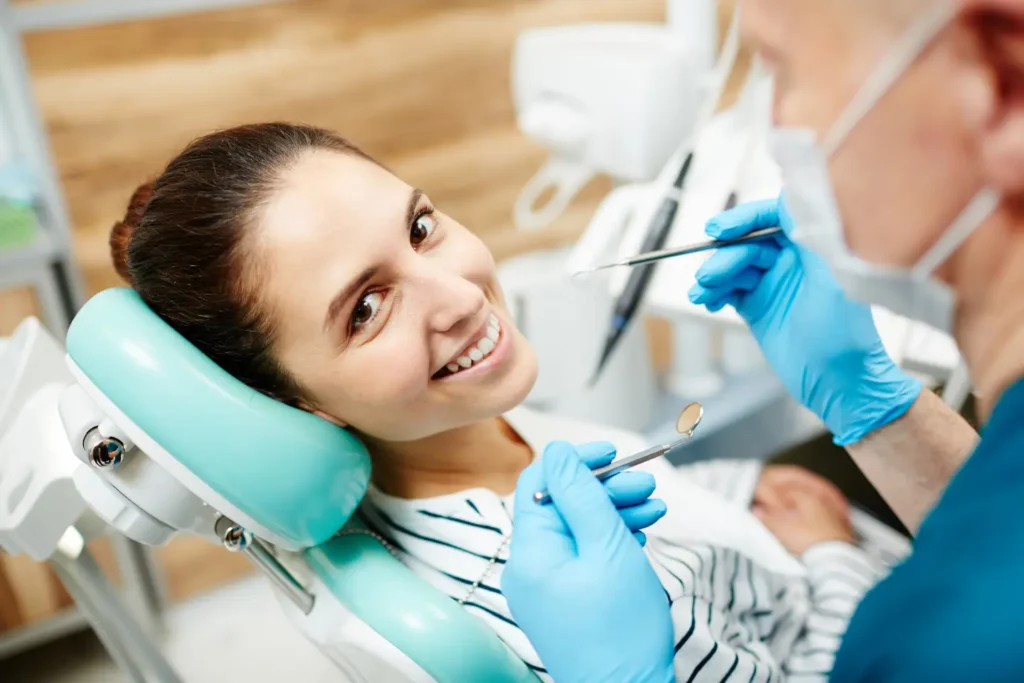
For many people, visiting the dentist can cause anxiety, stress, or even fear. Dental anxiety is more common than you might think, and it often keeps individuals from seeking the dental care they need. This can lead to further oral health problems. Thankfully, advancements in modern dentistry, such as IV sedation, offer a solution for patients who feel nervous or overwhelmed about dental procedures. IV sedation provides a safe and effective way to make your dental visits comfortable and stress-free.
In this blog, we will discuss what IV sedation is, how it works, its benefits, and why it’s a great option for making your dental appointments more straightforward to manage.
What Is IV Sedation?
IV sedation, or intravenous sedation, is a type of conscious sedation delivered directly into the bloodstream via a small needle. This method enables quick and controlled relaxation, making dental procedures significantly more comfortable. At Colorado Springs Sedation Dentistry, patients can benefit from this safe and effective approach, where you remain awake and responsive but deeply relaxed, often with little to no memory of the procedure once it’s finished.
How IV Sedation Works
- Preparation: Before administering IV sedation, your dentist will carefully review your medical history, any medications you’re taking, and any allergies to ensure it’s safe for you.
- Administration: The sedative is delivered via a small needle inserted into a vein in your arm or hand. The dosage is carefully monitored and adjusted as needed throughout the procedure.
- Onset: IV sedation takes effect quickly, usually within a few minutes, allowing your dentist to begin the procedure right away.
- Recovery: Once the procedure is complete, the sedative effects wear off gradually. You’ll need someone to drive you home, as the sedative may take a few hours to fully wear off.
Who Can Benefit from IV Sedation?
IV sedation is a great option for patients who:
- Have severe dental anxiety or fear.
- Struggle with pain tolerance or a sensitive gag reflex.
- Require extensive dental work that may take longer to complete.
- Have difficulty sitting still for long periods of time.
- Are undergoing complex procedures, such as extractions or dental implants.
If you’ve been avoiding dental visits due to anxiety or discomfort, IV sedation can help you overcome your fears and get the treatment you need.
The Benefits of IV Sedation
- Deep Relaxation: IV sedation helps you feel completely relaxed, which is especially helpful for those with dental phobia or extreme anxiety.
- Pain-Free Experience: While IV sedation doesn’t provide direct pain relief, it is often combined with local anesthesia, ensuring you won’t feel any pain during the procedure.
- Reduced Anxiety: One of the main benefits of IV sedation is the significant reduction in anxiety. Many patients feel at ease during the entire procedure and have no worries or fears about the treatment.
- Amnesia Effect: IV sedation often causes temporary memory loss, meaning many patients don’t remember the procedure, which can reduce anxiety for future visits.
- Improved Efficiency for the Dentist: When patients are relaxed, the dentist can work more efficiently, leading to shorter treatment times and the ability to complete more procedures in a single visit.
- Customizable Dosage: Unlike oral sedation, IV sedation offers precise control over the level of sedation, making it adaptable to your needs for maximum comfort.
Is IV Sedation Safe?
IV sedation is very safe when administered by a trained dental professional. Dentists who offer IV sedation are specially trained and certified to ensure the technique is carried out properly. Throughout the procedure, your dentist and their team will monitor your vital signs, such as blood pressure, oxygen levels, and heart rate, to ensure your safety.
It’s important to discuss any medical conditions, allergies, or medications with your dentist to ensure that IV sedation is appropriate for you. While it’s generally very safe, certain conditions (such as pregnancy or severe respiratory issues) may require adjustments or alternatives.
IV Sedation vs. Other Sedation Options
- Oral Sedation:
- Administered via a pill taken before the procedure.
- Provides mild to moderate relaxation, but lacks the fast-acting and adjustable benefits of IV sedation.
- Nitrous Oxide ("Laughing Gas"):
- Delivered through a mask and offers light relaxation.
- Suitable for mild anxiety but may not be enough for patients with severe fears or complex procedures.
- IV Sedation:
- Offers a deeper level of relaxation compared to oral sedation or nitrous oxide.
- Provides immediate effects and allows for precise control over sedation levels, making it ideal for more complex procedures or patients who are highly anxious.
IV sedation is often the preferred choice for patients needing more extensive work or those who experience severe anxiety, which is why we’ve created a helpful guide titled Why Anxious Patients Love IV Sedation for Root Canals and Implants. This resource explains how IV sedation not only eases dental anxiety but also makes complex treatments, such as root canals and dental implants, far more comfortable, allowing patients to feel relaxed throughout their procedure.
Preparing for IV Sedation
To ensure the procedure goes smoothly, here are a few tips to help you prepare:
- Avoid Eating or Drinking: Follow your dentist’s instructions and avoid eating or drinking for 6-8 hours before the procedure.
- Wear Comfortable Clothing: Opt for loose-fitting clothes to make it easier for your dentist to administer the IV.
- Arrange for a Ride: Make sure you have someone to drive you home after the procedure, as you will be groggy from the sedation.
- Discuss Medications: Be sure to tell your dentist about any medications or supplements you’re currently taking to avoid any potential interactions.
Transform Your Dental Experience with IV Sedation at Star Dental Institute
If dental anxiety has been keeping you from getting the care you need, IV sedation can help you conquer your fears and achieve a healthier smile without the stress. At Star Dental Institute, we specialise in providing safe and effective IV sedation to ensure your comfort during any dental procedure.
Our team of highly trained professionals is dedicated to helping you feel relaxed and at ease throughout your visit. Whether you’re coming in for a routine check-up or a more extensive dental procedure, we’re here to provide a stress-free experience.
Schedule Your Stress-Free Dental Visit Today!
Don’t let fear or anxiety stop you from achieving your best smile. Contact us today to learn more about IV sedation and how it can make your dental visits comfortable, relaxed, and stress-free. Our team is here to answer any questions you have and help you take the next step toward optimal oral health.
Why Orthodontic Care is Essential for Adults

Stress is an unavoidable part of life. Whether it’s due to work, relationships, financial worries, or health concerns, stress affects the body in many ways. While most people associate stress with headaches, insomnia, and digestive issues, its impact on oral health is often overlooked. However, chronic stress can lead to serious dental problems, from teeth grinding to gum disease.
In this blog, we’ll explore how stress affects oral health, the warning signs to look for, and practical tips to protect your teeth and gums during stressful times.
How Stress Affects Your Oral Health
Stress triggers physiological responses that can negatively impact your teeth, gums, and overall oral health. When left unmanaged, these effects may lead to issues such as teeth grinding, gum inflammation, or even sudden dental pain that requires immediate care. In such situations, reaching out to an Emergency Dentist can help you address these concerns quickly and prevent further complications.
1. Teeth Grinding (Bruxism)
One of the most common ways stress manifests in oral health is through bruxism, or teeth grinding. Many people grind their teeth unconsciously, especially during sleep. Chronic teeth grinding can:
- Wear down enamel, leading to tooth sensitivity and fractures
- Cause jaw pain and temporomandibular joint (TMJ) disorders
- Lead to headaches and earaches
Signs to watch for:
- Waking up with jaw pain or headaches
- Noticing flattened, chipped, or sensitive teeth
- Hearing clicking sounds when moving your jaw
2. Gum Disease (Periodontal Disease)
Chronic stress weakens the immune system, making it harder for the body to fight off infections, including gum disease. Stress can also lead to poor oral hygiene habits, increasing the risk of plaque buildup and gum inflammation.
Symptoms of stress-related gum disease:
- Red, swollen, or bleeding gums
- Bad breath that doesn’t go away
- Receding gums or loose teeth
3. Dry Mouth (Xerostomia)
Stress can interfere with saliva production, causing dry mouth. Saliva is essential for washing away food particles and bacteria. Without enough saliva, you may experience:
- Increased risk of cavities and tooth decay
- Difficulty swallowing or speaking
- A constant dry, sticky feeling in the mouth
4. Canker Sores (Mouth Ulcers)
Many people experience canker sores during periods of high stress. These small, painful ulcers can appear on the inside of the cheeks, lips, or tongue. While they usually heal on their own within a week or two, they can be uncomfortable and make eating and speaking difficult.
5. Poor Oral Hygiene Habits
Stress can lead to lifestyle changes that negatively impact oral health, including:
- Skipping regular brushing and flossing
- Eating more sugary or acidic foods
- Increased alcohol consumption or smoking
- Missing dental check-ups due to busy schedules
6. TMJ Disorders
The temporomandibular joint (TMJ) connects your jaw to your skull, allowing you to chew and speak. Stress-related jaw clenching and teeth grinding can strain this joint, leading to TMJ disorders, which can cause:
- Jaw pain and stiffness
- Clicking or popping sounds when opening the mouth
- Difficulty chewing
Tips to Protect Your Oral Health During Stressful Times
Since stress is a part of life, learning how to manage it effectively is key to maintaining good oral health. Here are some practical steps you can take:
1. Practice Stress Management Techniques
Reducing stress can help prevent many oral health issues. Consider these stress-relief methods:
- Exercise regularly – Physical activity releases endorphins, which help reduce stress.
- Practice deep breathing or meditation – Relaxation techniques can ease tension in the jaw and body.
- Get enough sleep – Poor sleep increases stress and worsens teeth grinding.
- Engage in hobbies – Doing activities you enjoy can help take your mind off stress.
2. Wear a Nightguard for Teeth Grinding
If you grind your teeth at night, ask your dentist about a custom-made nightguard. This device helps protect your teeth and reduce strain on your jaw.
3. Maintain Good Oral Hygiene
Even during stressful times, it’s important to stick to your oral care routine:
- Brush twice a day with fluoride toothpaste.
- Floss daily to remove plaque between teeth.
- Use an antibacterial mouthwash to reduce bacteria.
4. Stay Hydrated
Drinking plenty of water helps prevent dry mouth and flushes out harmful bacteria from the mouth.
5. Eat a Balanced Diet
Stress often leads to unhealthy eating habits, but consuming too much sugar and processed food can contribute to tooth decay and gum disease. Focus on fresh fruits and vegetables, whole grains and lean proteins and dairy products.
6. Avoid Smoking and Excessive Alcohol Consumption
Both smoking and alcohol can worsen oral health issues, increasing the risk of gum disease and dry mouth. If you’re feeling overwhelmed, consider healthier coping strategies like exercise or talking to a friend.
7. Schedule Regular Dental Check-Ups
Regularly visiting your dentist ensures the early detection of stress-related oral health issues. They can help identify and treat concerns such as teeth grinding, gum inflammation, or dry mouth before they become more serious. Along with routine checkups, you can also follow practical steps shared in Tips for Maintaining Healthy Teeth and Gums to protect your smile and reduce the impact of stress on your oral health.
When to See a Dentist
If you notice any of the following symptoms, schedule a dental appointment:
- Persistent jaw pain or clicking sounds
- Frequent headaches or earaches
- Bleeding, swollen, or receding gums
- Increased tooth sensitivity
- Chronic dry mouth or bad breath
Your dentist can help identify the cause of these issues and recommend appropriate treatments.
Final Thoughts
Stress affects every part of the body—including your mouth. From teeth grinding to gum disease, stress-related oral health problems can lead to discomfort and long-term dental damage. By recognizing the warning signs and taking proactive steps to manage stress, you can protect your teeth and gums while improving your overall well-being.
If you’re experiencing stress-related dental problems, don’t ignore them—schedule a visit with your dentist for guidance and treatment options. A healthy mouth starts with a stress-free mind!
Things You Should Expect When Visiting an Emergency Dentist

Dental emergencies can happen unexpectedly and are often stressful and painful. Whether you are dealing with a severe toothache, a broken tooth, swelling, or an infection, knowing what to expect when visiting an emergency dentist can help reduce anxiety and ensure you get the care you need as quickly as possible.
At Star Dental Institute, emergency dental care focuses on relieving pain, addressing the immediate problem, and protecting your long-term oral health. This guide walks you through what typically happens during an emergency dental visit, what conditions require urgent care, and how emergency treatment differs from routine dental appointments.
What Is Considered a Dental Emergency?
A dental emergency involves any oral health issue that requires immediate attention to relieve pain, stop bleeding, or prevent further damage.
Common Dental Emergencies Include
- Severe or persistent tooth pain
- Swelling of the gums, face, or jaw
- Knocked-out or loose teeth
- Broken, cracked, or chipped teeth
- Dental infections or abscesses
- Bleeding that does not stop
- Lost fillings, crowns, or bridges causing pain
If you are unsure whether your situation is an emergency, it is always safer to contact a dental office for guidance.
Quick Scheduling and Prioritized Care
One of the first things you should expect when visiting an emergency dentist is prompt attention. Emergency dental offices prioritize urgent cases to ensure patients receive care as soon as possible.
What Happens When You Call
When you contact the office:
- You will be asked about your symptoms
- The urgency of your condition will be assessed
- You may receive instructions to manage pain temporarily
- An emergency appointment will be scheduled quickly
Clear communication helps the dental team prepare for your arrival.
Initial Assessment and Pain Evaluation
Upon arrival, the dental team will focus first on understanding your pain and symptoms. Emergency visits are designed to stabilize the problem before moving on to long-term solutions.
What the Dentist Will Ask
Expect questions about:
- When the pain or injury started
- Severity and location of discomfort
- Swelling, bleeding, or fever
- Any recent trauma or dental work
This information helps determine the cause and urgency of the issue.
Emergency Dental Examination
After discussing your symptoms, the dentist will perform a focused but thorough examination.
What the Exam Typically Includes
- Visual inspection of the affected area
- Checking teeth, gums, and surrounding tissues
- Evaluating bite and jaw function
- Assessing swelling or infection
The goal is to quickly identify the source of the problem while keeping you as comfortable as possible.
Dental X-Rays and Imaging
In many emergency situations, dental X-rays are necessary to see what is happening beneath the surface.
Why X-Rays Are Important in Emergencies
X-rays help detect:
- Deep decay or infection
- Abscesses near tooth roots
- Bone damage or fractures
- Issues not visible during a visual exam
These images allow the dentist to make an accurate diagnosis and recommend appropriate treatment.
Immediate Pain Relief and Stabilization
Pain management is a top priority during an emergency dental visit. You should expect the dentist to focus on relieving discomfort before addressing long-term treatment plans.
Common Pain Relief Measures
Depending on your condition, the dentist may:
- Administer local anesthesia
- Drain an abscess or relieve pressure
- Smooth sharp edges of a broken tooth
- Provide medication to manage infection or inflammation
The goal is to stabilize the situation and reduce pain as quickly as possible.
Emergency Treatment Options
Emergency dental treatment varies depending on the nature of the problem.
Possible Emergency Treatments
Your visit may involve:
- Temporary fillings or crowns
- Treatment for dental infections
- Repositioning or stabilizing a loose tooth
- Managing soft tissue injuries
- Recementing or repairing restorations
In some cases, emergency treatment addresses the immediate issue, while further procedures may be scheduled for a later date.
Clear Explanation of the Problem
Even in urgent situations, the dentist will take time to explain what is happening and what your options are.
What You Should Expect
The dentist will:
- Describe the cause of your dental emergency
- Explain immediate treatment steps
- Discuss whether additional care is needed
- Answer questions clearly and calmly
Understanding your condition helps you feel more confident and in control during a stressful situation.
Temporary vs Long-Term Solutions
Emergency dental visits often focus on short-term relief and protection.
Why Follow-Up Care May Be Needed
Some treatments provided during an emergency visit are temporary, designed to:
- Stop pain
- Prevent infection from spreading
- Protect the tooth until definitive treatment
Your dentist may recommend follow-up appointments for permanent solutions such as crowns, root canal therapy, or restorative procedures.
Managing Dental Infections and Swelling
Dental infections are one of the most serious reasons for emergency visits.
What to Expect With Infections
If an infection is present:
- The dentist will work to reduce pressure and pain
- Antibiotics may be prescribed when appropriate
- Further treatment will be planned to eliminate the source
Prompt treatment is essential, as dental infections can spread if left untreated.
Handling Dental Trauma
If your emergency involves trauma, such as a fall or accident, the dentist will carefully assess both teeth and surrounding structures.
Trauma-Related Care May Include
- Stabilizing loose or displaced teeth
- Treating soft tissue injuries
- Evaluating jaw or bone damage
- Coordinating care if additional medical attention is needed
Time is critical in trauma cases, especially for knocked-out teeth.
What to Bring to an Emergency Dental Visit
To help your visit go smoothly, it is helpful to bring:
- A list of current medications
- Relevant medical information
- Dental insurance details, if applicable
- Any broken tooth fragments, if possible
Being prepared can save time and reduce stress.
Addressing Anxiety During Emergency Visits
Dental emergencies are often accompanied by anxiety or fear. Emergency dentists understand this and aim to create a calm, supportive environment.
How Dental Teams Help
You can expect:
- Gentle communication
- Clear explanations before treatment
- Focus on comfort and pain control
- Respect for your concerns
Sharing your anxiety allows the team to better support you.
Cost and Insurance Discussion
While emergency care focuses on immediate treatment, the dental team will also discuss costs and next steps.
What to Expect Financially
- Explanation of emergency treatment fees
- Review of insurance coverage, if applicable
- Discussion of future treatment costs
Transparency helps avoid surprises and allows informed decisions.
How Star Dental Institute Handles Dental Emergencies
At Star Dental Institute, emergency dental care is centered on compassion, efficiency, and patient safety. Our team is trained to respond quickly to urgent dental situations while keeping your comfort and long-term health in mind.
We focus on:
- Prompt emergency appointments
- Accurate diagnosis and pain relief
- Clear communication and guidance
- Thoughtful planning for follow-up care
Our goal is not only to resolve the emergency but also to help prevent future issues.
Final Thoughts
Visiting an emergency dentist can feel overwhelming, but knowing what to expect can make the experience far less stressful. From rapid scheduling and pain relief to clear explanations and follow-up planning, emergency dental visits are designed to protect your health and restore comfort as quickly as possible.
If you are experiencing severe pain, swelling, or dental trauma, do not delay care. At Star Dental Institute, our emergency dental team is ready to provide prompt, professional support when you need it most. Addressing dental emergencies early can make a critical difference in both your immediate comfort and long-term oral health.
Understanding the Impact of Stress on Your Oral Health

Stress is an unavoidable part of life. Whether it’s due to work, relationships, financial worries, or health concerns, stress affects the body in many ways. While most people associate stress with headaches, insomnia, and digestive issues, its impact on oral health is often overlooked. However, chronic stress can lead to serious dental problems, from teeth grinding to gum disease.
In this blog, we’ll explore how stress affects oral health, the warning signs to look for, and practical tips to protect your teeth and gums during stressful times.
How Stress Affects Your Oral Health
Stress triggers physiological responses that can negatively impact your teeth, gums, and overall oral health. When left unmanaged, these effects may lead to issues such as teeth grinding, gum inflammation, or even sudden dental pain that requires immediate care. In such situations, reaching out to an Emergency Dentist can help you address these concerns quickly and prevent further complications.
1. Teeth Grinding (Bruxism)
One of the most common ways stress manifests in oral health is through bruxism, or teeth grinding. Many people grind their teeth unconsciously, especially during sleep. Chronic teeth grinding can:
- Wear down enamel, leading to tooth sensitivity and fractures
- Cause jaw pain and temporomandibular joint (TMJ) disorders
- Lead to headaches and earaches
Signs to watch for:
- Waking up with jaw pain or headaches
- Noticing flattened, chipped, or sensitive teeth
- Hearing clicking sounds when moving your jaw
2. Gum Disease (Periodontal Disease)
Chronic stress weakens the immune system, making it harder for the body to fight off infections, including gum disease. Stress can also lead to poor oral hygiene habits, increasing the risk of plaque buildup and gum inflammation.
Symptoms of stress-related gum disease:
- Red, swollen, or bleeding gums
- Bad breath that doesn’t go away
- Receding gums or loose teeth
3. Dry Mouth (Xerostomia)
Stress can interfere with saliva production, causing dry mouth. Saliva is essential for washing away food particles and bacteria. Without enough saliva, you may experience:
- Increased risk of cavities and tooth decay
- Difficulty swallowing or speaking
- A constant dry, sticky feeling in the mouth
4. Canker Sores (Mouth Ulcers)
Many people experience canker sores during periods of high stress. These small, painful ulcers can appear on the inside of the cheeks, lips, or tongue. While they usually heal on their own within a week or two, they can be uncomfortable and make eating and speaking difficult.
5. Poor Oral Hygiene Habits
Stress can lead to lifestyle changes that negatively impact oral health, including:
- Skipping regular brushing and flossing
- Eating more sugary or acidic foods
- Increased alcohol consumption or smoking
- Missing dental check-ups due to busy schedules
6. TMJ Disorders
The temporomandibular joint (TMJ) connects your jaw to your skull, allowing you to chew and speak. Stress-related jaw clenching and teeth grinding can strain this joint, leading to TMJ disorders, which can cause:
- Jaw pain and stiffness
- Clicking or popping sounds when opening the mouth
- Difficulty chewing
Tips to Protect Your Oral Health During Stressful Times
Since stress is a part of life, learning how to manage it effectively is key to maintaining good oral health. Here are some practical steps you can take:
1. Practice Stress Management Techniques
Reducing stress can help prevent many oral health issues. Consider these stress-relief methods:
- Exercise regularly – Physical activity releases endorphins, which help reduce stress.
- Practice deep breathing or meditation – Relaxation techniques can ease tension in the jaw and body.
- Get enough sleep – Poor sleep increases stress and worsens teeth grinding.
- Engage in hobbies – Doing activities you enjoy can help take your mind off stress.
2. Wear a Nightguard for Teeth Grinding
If you grind your teeth at night, ask your dentist about a custom-made nightguard. This device helps protect your teeth and reduce strain on your jaw.
3. Maintain Good Oral Hygiene
Even during stressful times, it’s important to stick to your oral care routine:
- Brush twice a day with fluoride toothpaste.
- Floss daily to remove plaque between teeth.
- Use an antibacterial mouthwash to reduce bacteria.
4. Stay Hydrated
Drinking plenty of water helps prevent dry mouth and flushes out harmful bacteria from the mouth.
5. Eat a Balanced Diet
Stress often leads to unhealthy eating habits, but consuming too much sugar and processed food can contribute to tooth decay and gum disease. Focus on fresh fruits and vegetables, whole grains and lean proteins and dairy products.
6. Avoid Smoking and Excessive Alcohol Consumption
Both smoking and alcohol can worsen oral health issues, increasing the risk of gum disease and dry mouth. If you’re feeling overwhelmed, consider healthier coping strategies like exercise or talking to a friend.
7. Schedule Regular Dental Check-Ups
Regularly visiting your dentist ensures the early detection of stress-related oral health issues. They can help identify and treat concerns such as teeth grinding, gum inflammation, or dry mouth before they become more serious. Along with routine checkups, you can also follow practical steps shared in Tips for Maintaining Healthy Teeth and Gums to protect your smile and reduce the impact of stress on your oral health.
When to See a Dentist
If you notice any of the following symptoms, schedule a dental appointment:
- Persistent jaw pain or clicking sounds
- Frequent headaches or earaches
- Bleeding, swollen, or receding gums
- Increased tooth sensitivity
- Chronic dry mouth or bad breath
Your dentist can help identify the cause of these issues and recommend appropriate treatments.
Final Thoughts
Stress affects every part of the body—including your mouth. From teeth grinding to gum disease, stress-related oral health problems can lead to discomfort and long-term dental damage. By recognizing the warning signs and taking proactive steps to manage stress, you can protect your teeth and gums while improving your overall well-being.
If you’re experiencing stress-related dental problems, don’t ignore them—schedule a visit with your dentist for guidance and treatment options. A healthy mouth starts with a stress-free mind!
Tooth Resurrection: How Root Canal Therapy Saves Your Smile
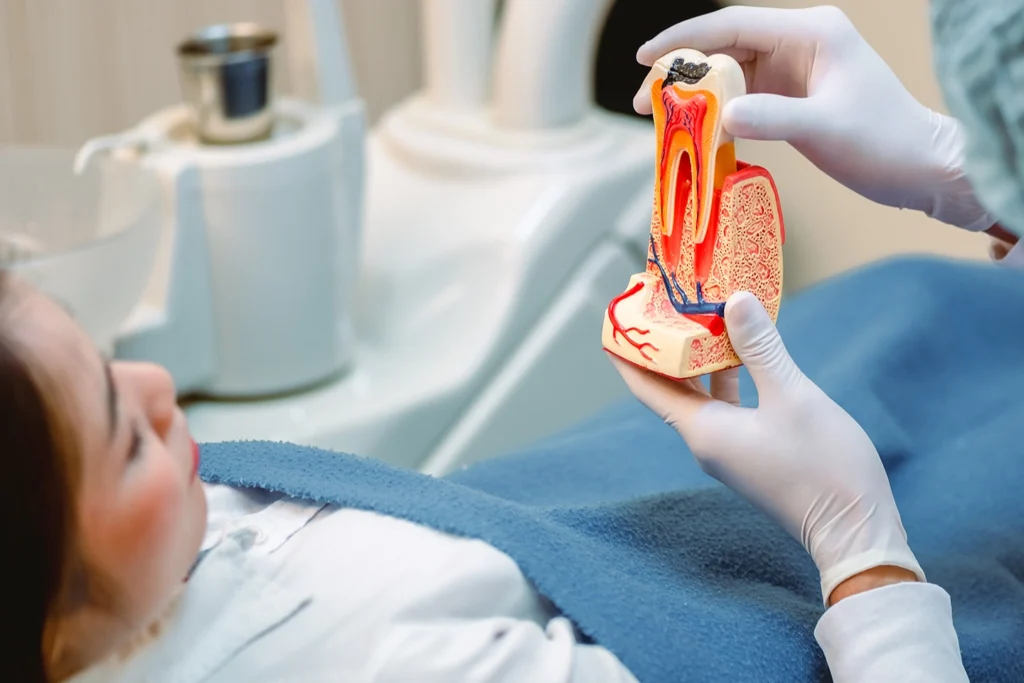
A brilliant smile is frequently seen as a global representation of confidence. On the other hand, dental decay or infection can jeopardize the fundamental foundation of that brilliant smile. Enter root canal therapy, an unnecessarily dreaded and frequently misunderstood dental procedure. In this blog post, we’ll explore the benefits of root canal therapy and how it can save your smile.
The Anatomy of a Tooth:
Understanding a tooth’s anatomy is crucial to appreciating the importance of root canal therapy. Every tooth has four layers, with the uppermost layer being enamel, which protects the dentin beneath. At the core lies the pulp chamber, housing connective tissues, blood vessels, and nerves. When decay breaks through the enamel and reaches the pulp, it often results in severe pain and even the risk of tooth loss. In such cases, seeking help from an emergency dentist can provide immediate relief and timely treatment, ensuring the tooth is saved before further complications arise.
The Misconceptions Surrounding Root Canal Therapy:
The many myths and misconceptions surrounding root canal therapy exacerbate patients’ dental concerns. In contrast to what many people think, a root canal is not an unpleasant treatment; in fact, its purpose is to minimize pain while maintaining the original tooth. Because of the tremendous advancements in modern dentistry, root canal therapy is now a comfortable and effective way to save a weakened tooth.
The Root Canal Procedure Unveiled:
Diagnosis and X-rays: The journey to tooth resurrection begins with a thorough examination and diagnostic X-rays to identify the extent of the infection or decay.
Local Anesthesia: The dentist numbs the afflicted tooth and its surrounding area using local anesthesia to ensure the patient’s comfort.
Access aperture: A tiny access aperture is made to access the pulp chamber and, thereby, the infected or injured tissues.
Cleaning and Disinfection: The diseased pulp is carefully removed, and the root canals are thoroughly cleansed and disinfected so there is no recurrence of infection.
Sealing and Restoration: A biocompatible material is used to seal the root canals once they have been cleaned. After filling the access opening, a crown is usually placed on the tooth to strengthen and improve its functionality.
Maintaining Your Natural Smile:
Preserving the natural tooth and avoiding extraction is the main objective of root canal therapy. In addition to being important for appearance, keeping your natural teeth is essential for maintaining healthy dental function, avoiding neighboring teeth from moving, and protecting the structure of your jawbone.
Advantages of Root Canal Therapy
Pain Relief: Patients receive rapid pain relief after root canal therapy, which reduces the excruciating discomfort brought on by dental infections.
Preservation of Natural Teeth: Root canal therapy saves natural teeth, which contributes to maintaining a harmonious and functional dental arch.
Efficient and Predictable: Root canal therapy is a standard and very effective dental procedure with a high success rate in preserving teeth.
Root canal therapy is a ray of hope for people suffering from tooth decay that has reached the pulp. Rather than being a process to be feared, it is an integral part of maintaining your oral health and smile. So the next time you hear the term "root canal," remember it’s a step toward tooth resurrection and restoring your brilliant smile rather than letting myths cloud your judgment.
For expert and comfortable root canal therapy, trust the experienced professionals at Star Dental Institute. Our modern dentistry practices and advanced techniques make the process efficient, with a high success rate in saving teeth. Contact Star Dental Institute to schedule a consultation and take the first step towards restoring your brilliant smile.
Why Anxious Patients Love IV Sedation for Root Canals and Implants

Let’s face it: for many people, just hearing the words “root canal” or “dental implant” is enough to cause a spike in anxiety. Dental fear is real, and extremely common. In fact, studies suggest that as many as 1 in 3 people experience some level of dental anxiety. For others, it’s so severe that it keeps them from getting the care they need altogether.
At Star Dental Institute, we believe that fear should never stand in the way of your health. That’s why we offer IV sedation, a powerful, safe, and controlled way to help even the most anxious patients feel calm, comfortable, and in control during advanced dental procedures like root canals and implant surgery.
If the thought of dental treatment makes you uneasy, here’s why IV sedation may be your new best friend in the dental chair.
Understanding Dental Anxiety: You’re Not Alone
Before diving into sedation options, it’s important to acknowledge how common and valid dental anxiety really is. People avoid dental care for a variety of reasons, including:
- Previous negative or painful experiences
- Fear of needles or injections
- Sensitivity to sounds or smells
- Fear of pain
- Embarrassment about dental condition
- Difficulty sitting still for extended periods
The result? Patients often wait until pain forces them to act, when more invasive (and expensive) procedures are necessary.
This is where IV sedation changes everything.
What Is IV Sedation?
IV (intravenous) sedation is a form of conscious sedation administered through a vein, allowing your dentist to control the depth of sedation throughout your procedure. Unlike general anesthesia, IV sedation doesn’t render you unconscious, you’re awake enough to respond if needed, but deeply relaxed and often unaware of the procedure happening around you.
Because the effects are fast-acting and adjustable, it’s especially ideal for longer or more complex treatments like:
- Root canal therapy
- Dental implant placement
- Multiple extractions
- Full-mouth rehabilitation
Why Anxious Patients Prefer IV Sedation
If anxiety has ever made you dread, delay, or avoid dental visits, IV sedation may be the game-changer you’ve been waiting for. Here’s why it’s so popular among nervous patients:
- Deep Relaxation in Minutes: Once administered, IV sedation takes effect quickly, helping you feel calm and detached from your surroundings. Most patients describe the experience as dreamlike or “floating”, like taking a peaceful nap without fully going under.
- Little to No Memory of the Procedure: One of the biggest benefits? Amnesia effect. Most patients remember little to nothing of the procedure. If fear stems from specific sights, sounds, or sensations, IV sedation helps remove those memories altogether.
- Reduces Gag Reflex and Movement: For patients with a strong gag reflex or difficulty staying still, IV sedation keeps the body relaxed and calm, making the dentist’s job easier and the experience smoother for you.
- Time Seems to Fly: Even procedures that take over an hour can feel like they lasted only minutes under IV sedation. This makes it ideal for longer treatments, such as implant surgery or multi-tooth restorations.
- Fewer Appointments Needed: Because you’ll be so relaxed, your dentist may be able to complete more work in one sitting, reducing the number of visits and recovery periods you need.
- Tailored Sedation for Your Needs: Unlike oral medications that offer a one-size-fits-all dose, IV sedation allows precise control. The sedative level can be increased, decreased, or stopped based on your comfort and vital signs.
Is IV Sedation Safe?
Yes, IV sedation is safe when administered by a trained dental professional. At Star Dental Institute, your safety is our top priority. We:
- Thoroughly review your medical history beforehand
- Monitor your vital signs throughout the procedure
- Use advanced sedation protocols in a sterile, secure setting
- Have trained professionals on-site to manage your sedation experience
Most patients recover quickly, with minimal side effects like grogginess or dry mouth.
Who’s a Good Candidate for IV Sedation?
IV sedation is ideal for patients who:
- Experience moderate to severe dental anxiety
- Require complex or time-consuming procedures
- Have a low pain threshold or sensitive gag reflex
- Have difficulty getting numb with local anesthesia
- Want to complete multiple treatments in one visit
- Have traumatic dental memories or phobias
If you’ve been avoiding root canals or implants due to fear, sedation could make the difference between neglect and a healthy, confident smile.
What to Expect on the Day of Your IV Sedation Appointment
At your consultation, we’ll explain everything and answer all your questions. On the day of your procedure:
- You’ll need someone to drive you to and from your appointment
- You’ll receive the sedative through a small IV in your arm or hand
- We’ll monitor you closely as we begin treatment
- You’ll remain relaxed, drowsy, and comfortable throughout
- You’ll be groggy after, so plan to rest for the remainder of the day
Most patients wake up with little memory of the procedure and report a dramatically more positive experience than expected.
Why Choose Star Dental Institute?
At Star Dental Institute, we combine advanced clinical care with a compassionate, anxiety-friendly approach. Our team has extensive experience in both implant dentistry and root canal therapy, and we’re committed to making sure every patient feels safe and understood.
Whether you’ve delayed treatment for months or years, we’re here to help you move forward, with expert sedation dentistry that works for real people with real fears.
Take the First Step Toward Fear-Free Dentistry
If fear has kept you from getting the care you need, you’re not alone, and you don’t have to face it alone either.
With IV sedation at Star Dental Institute, you can finally say goodbye to dental anxiety and hello to confident, comfortable care.
Schedule your consultation today and let us help you experience dentistry in a whole new way.
Top 5 Reasons Dental Crowns Fail—And How to Avoid Them
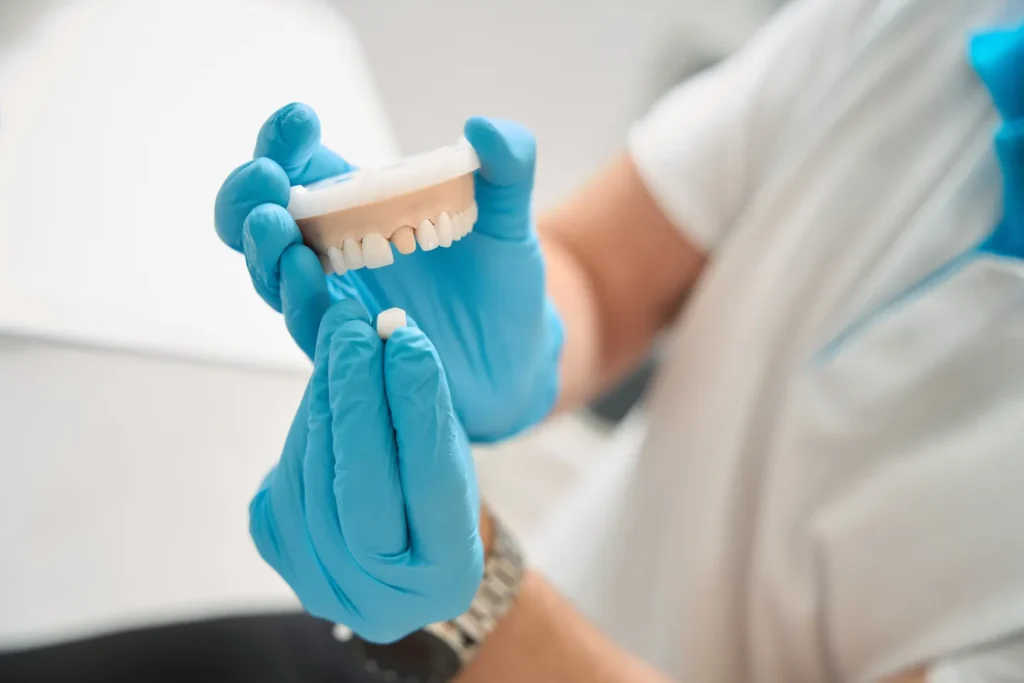
Dental crowns are one of the most common and reliable restorations in modern dentistry. Designed to strengthen and protect a damaged or weakened tooth, a crown can restore function, improve appearance, and last for years when properly placed and cared for. However, not all crowns live up to their potential. In fact, some fail sooner than expected, leaving patients frustrated and in need of further treatment.
At Star Dental Institute, we specialize in high-quality crown restorations and patient education, because understanding why crowns fail is the first step to making sure yours don’t.
Let’s take a closer look at the top five reasons dental crowns fail and how you can avoid these common pitfalls.
1. Poor Oral Hygiene
Just because a crown is artificial doesn’t mean it’s immune to decay. In fact, the natural tooth structure underneath a crown is still vulnerable to bacteria and plaque. If you neglect brushing and flossing, decay can develop at the margins of the crown, especially near the gumline, leading to crown failure and even root canal infections.
How to Avoid It:
Maintain excellent oral hygiene. Brush twice a day with fluoride toothpaste, floss daily (especially around your crowned tooth), and consider using an antibacterial mouthwash. Schedule professional dental cleanings and exams at Star Dental Institute every six months to keep your crowned teeth healthy and intact.
2. Improper Fit or Placement
A crown that doesn’t fit correctly can spell trouble from the start. If the crown is too loose, too tight, or poorly aligned, it can lead to bite issues, discomfort, or even early wear and tear. Gaps between the crown and the tooth can also harbor bacteria and food particles, increasing the risk of decay or gum disease.
How to Avoid It:
Choose an experienced dental team. At Star Dental Institute, we use advanced digital scanning and precision lab work to ensure a perfect fit for your crown. Our dentists take the time to evaluate your bite, tooth structure, and cosmetic goals before placement, so your crown feels natural and lasts.
3. Bruxism (Teeth Grinding)
If you grind or clench your teeth, especially at night, you’re putting significant stress on your crown. Over time, this pressure can cause the crown to crack, chip, or become loose. Bruxism is a common but often overlooked factor in crown failure.
How to Avoid It:
Talk to your dentist about any signs of grinding, like jaw pain, headaches, or worn teeth. If needed, we can fit you with a custom nightguard at Star Dental Institute to protect both your crown and your natural teeth while you sleep.
4. Trauma or Accidental Damage
Crowns are strong, but they’re not indestructible. Biting into hard foods (like ice, nuts, or hard candy), using your teeth as tools, or experiencing an injury can cause a crown to fracture or dislodge.
How to Avoid It:
Use common sense and caution. Avoid chewing on hard objects, and never use your teeth to open packaging. If you play contact sports, be sure to wear a custom athletic mouthguard to protect your dental work. And if you experience trauma to your mouth, schedule an appointment with us right away for an evaluation.
5. Failing to Address the Underlying Issue
Sometimes, a crown is placed without properly treating the tooth beneath it. If there’s an undetected crack, infection, or decay that isn’t resolved before the crown is placed, it can worsen over time and lead to failure. Additionally, gum disease around the crowned tooth can undermine the stability of the crown if left untreated.
How to Avoid It:
At Star Dental Institute, we don’t just cover problems; we correct them. Before placing a crown, our team ensures that the underlying tooth is clean, healthy, and structurally sound. We also assess the health of your gums and provide any necessary periodontal care beforehand to prevent potential complications in the future.
Signs Your Crown May Be Failing
It’s essential to recognize the warning signs of crown failure so you can take prompt action. Watch for:
- Sensitivity or pain around the crowned tooth
- A loose or wobbly feeling
- Visible cracks or chips
- Gum recession or swelling near the crown
- Food gets stuck around the crown frequently
If you notice any of these symptoms, schedule a visit with Star Dental Institute as soon as possible. Early intervention can often save your crown and prevent more extensive treatment.
How Long Should a Crown Last?
With proper care, a high-quality dental crown can last anywhere from 10 to 15 years, sometimes even longer. The key is proactive maintenance, good oral hygiene, and working with a dentist who uses high-grade materials and cutting-edge technology.
At Star Dental Institute, we take pride in delivering crowns that not only look great but also stand the test of time.
Our Expertise at Star Dental Institute
When it comes to dental restorations, expertise matters. At Star Dental Institute, our team combines extensive experience with advanced technology to deliver crowns that fit precisely, feel natural, and function beautifully.
We offer:
- Digital impressions for a more comfortable and accurate fit
- Thorough assessments to ensure underlying health before crown placement
- Continued care and monitoring during your regular check-ups
Whether you need a crown for the first time or are dealing with an older one that’s failing, we’re here to help restore your smile, and your confidence.
Your Crown Deserves the Best, So Do You
A dental crown is an investment in your health and your smile. Don’t let preventable issues shorten its lifespan. With the right care, awareness, and a trusted dental partner, your crown can serve you well for many years to come.
If you suspect a crown is failing, or you want to make sure your next one lasts, schedule a consultation with Star Dental Institute today. We’re committed to helping you protect your smile with personalized, expert care every step of the way.
Understanding Same Day Dentures

Dentures can be a life-changing solution for individuals who are missing teeth, providing the ability to smile, eat, and speak with confidence again. While traditional dentures can take weeks to create, advancements in dental technology have made it possible for some patients to receive same-day dentures. However, while this convenience is appealing, it’s essential to carefully evaluate whether same-day dentures are the right solution for you. Before making a decision, there are several key considerations that every potential patient should know.
In this article, we’ll break down what same-day dentures are, the process involved, and the important factors to consider before undergoing the procedure. By understanding all aspects of same-day dentures, you can make a more informed decision about whether this treatment option aligns with your oral health goals.
What Are Same-Day Dentures?
Same-day dentures, also known as immediate dentures, are a set of dentures that are crafted and placed within a single visit to the dentist. They are designed to be worn immediately after tooth extraction, allowing patients to leave the dental office with a full set of teeth the very same day. Unlike traditional dentures that require several fittings over the course of weeks, same-day dentures are pre-made to fit the patient’s mouth and are ready to be placed after the extraction.
These dentures can be used to replace a full set of teeth or just a partial set, depending on the patient’s needs. Immediate dentures allow patients to avoid the awkwardness and inconvenience of going without teeth during the healing process.
The Process of Getting Same-Day Dentures
The process of getting same-day dentures typically involves a few key steps:
- Initial Consultation and Examination:Your dentist will first assess your oral health to determine if you’re a suitable candidate for same-day dentures. This may involve taking X-rays, performing a thorough exam, and discussing your dental history and goals. The dentist will also take impressions of your mouth to create a mold for the dentures.
- Tooth Extraction (If Necessary):If you still have natural teeth that need to be extracted, the dentist will perform tooth extractions during the same appointment. The extraction site will be prepared for the new dentures.
- Creation of the Dentures:In many cases, same-day dentures are fabricated in advance, based on the impressions taken during your initial consultation. A dental laboratory will create the dentures, ensuring they fit your mouth perfectly. The dentures are designed to match the natural contours of your gums and align with your bite.
- Fitting and Adjustment:Once your dentures are ready, the dentist will fit them into your mouth, making any necessary adjustments to ensure comfort and functionality. After the fitting, you’ll be able to leave the office with your new set of dentures.
- Follow-Up Care:A follow-up visit may be necessary after the procedure to address any issues with fit, comfort, or bite. As your gums heal and reshape, the dentures may need to be adjusted or relined. Your dentist will guide you through the process of maintaining and adjusting your dentures as your mouth heals.
Key Considerations Before Getting Same-Day Dentures
Before committing to same-day dentures, it’s important to understand several factors that can influence the success of the procedure and your satisfaction with the outcome. Below are the most important considerations to keep in mind:
1. Suitability for Same-Day Dentures
Not everyone is a good candidate for same-day dentures. The primary factors influencing suitability include:
- Oral Health: If your gums and teeth are in poor condition, same-day dentures may not be the best option. Patients with severe gum disease or other oral health issues may require additional treatments before receiving dentures.
- Bone Density: The jawbone must have enough density and volume to support dentures. If the bone structure is compromised due to tooth loss or disease, additional procedures like bone grafting may be necessary before dentures can be placed.
A thorough evaluation by a qualified dentist will help determine whether same-day dentures are the right choice for your oral health needs.
2. Healing Time and Adjustments
While same-day dentures are convenient, they are not without their challenges. After the extraction of teeth, your gums will begin to heal and shrink. As a result, your dentures may require several adjustments over time to maintain a proper fit and comfort.
Initially, you may experience soreness or irritation as your gums heal. This is a normal part of the process, but it’s important to follow your dentist’s aftercare instructions and attend any scheduled follow-up appointments to ensure proper healing and fit.
3. Temporary Appearance and Comfort
Although same-day dentures offer an immediate cosmetic solution, they may not provide the same level of precision as traditional dentures. Because they are often created before tooth extractions and based on pre-existing impressions, there may be slight discrepancies in fit and appearance. Some patients may find the dentures to be bulkier or less natural in appearance compared to custom-made dentures.
Additionally, as your mouth heals and your gums shrink, the dentures may not fit as well, requiring adjustments and relining over time. This can affect comfort during the initial months of wearing same-day dentures.
4. Long-Term Durability
While same-day dentures are designed to be functional, they may not last as long as traditional dentures. Immediate dentures are typically constructed from softer materials that are easier to adjust but may not offer the same level of durability as more permanent options. Over time, as your gums heal and change shape, your same-day dentures may require relining or replacing entirely.
It’s important to discuss the long-term care plan with your dentist to ensure that your dentures remain in good condition and continue to provide the support you need for your oral health.
5. Cost of Same-Day Dentures
Same-day dentures may be more expensive than traditional dentures due to the urgency and materials involved in the process. The cost varies depending on the complexity of your case, the materials used for the dentures, and your geographical location. Some insurance plans may cover a portion of the cost, but it’s important to verify with your provider ahead of time.
Since same-day dentures may require additional follow-up visits and adjustments, there could be additional costs involved beyond the initial procedure. Discussing payment options with your dentist will help ensure you are prepared for the full cost of treatment.
6. Impact on Daily Life
The first few weeks after receiving same-day dentures may require some adjustments to your daily routine. Patients may experience soreness or difficulty eating and speaking as their mouth adapts to the new dentures. Soft foods are recommended initially, and certain speech patterns may take some time to adjust to as well.
It’s important to be patient during the adjustment period and communicate any concerns with your dentist so they can make necessary modifications to improve comfort and function.
7. Potential Risks and Complications
While rare, there are risks associated with any dental procedure, including the placement of same-day dentures. These risks can include:
- Infection: If proper aftercare instructions aren’t followed, there’s a risk of infection at the extraction sites.
- Poor Fit: Even though same-day dentures are designed to fit your mouth, there may be discomfort or difficulty with chewing, speaking, or maintaining a secure fit.
- Jawbone Shrinkage: Over time, as your gums and jawbone heal and shrink, your dentures may need to be adjusted to accommodate the changes.
A good dentist will guide you through potential risks and help mitigate them through careful planning and aftercare.
Final Thoughts: Are Same-Day Dentures Right for You?
Same-day dentures can offer a fast and effective solution for patients who need to replace missing teeth quickly. However, they are not suitable for everyone, and there are important factors to consider before moving forward with the procedure. From your overall oral health to the potential need for ongoing adjustments, it’s essential to weigh all aspects of same-day dentures before making a decision.
Consulting with an experienced dentist is key to determining whether same-day dentures are the right choice for your oral health needs. With careful planning, follow-up care, and a commitment to your oral hygiene, you can enjoy the benefits of same-day dentures and regain your confidence in your smile.
If you’re considering same-day dentures, don’t hesitate to reach out to our team at Dental Colorado Springs for a consultation. We’re here to help you make the best decision for your dental health and give you the smile you deserve.
Revitalize Your Look with Dental Botox in Colorado Springs

When most people think of Botox, the first thing that comes to mind is wrinkle reduction and cosmetic enhancement. But did you know that Botox is also a powerful treatment option in modern dentistry? At Dental Colorado Springs, we offer expert Botox treatments to help you not only enhance your appearance but also relieve painful dental conditions such as TMJ disorders and bruxism. Whether you’re looking to turn back the clock or ease facial discomfort, our team is here to help you feel and look your best.
In this blog, we’ll explore the benefits of dental Botox, what to expect from your treatment, and why more patients in Colorado Springs are choosing dental professionals for this innovative service.
What Is Botox and How Does It Work?
Botox is a purified protein derived from botulinum toxin. When used in small, controlled doses, it temporarily relaxes muscles by blocking nerve signals. While it’s widely known for smoothing fine lines and wrinkles, Botox has been FDA-approved for several medical and dental applications.
When injected into specific muscles, Botox reduces their activity, leading to a softer appearance of the skin or relief from conditions related to muscle overuse and tension. The effects typically last between 3 to 6 months, depending on the individual and the area treated.
Why Choose a Dentist for Botox?
You might be surprised to learn that dentists are among the most qualified medical professionals to administer Botox injections. Here’s why:
- Expertise in Facial Anatomy: Dentists have in-depth knowledge of facial muscles, nerves, and aesthetics.
- Precision and Training: Dental professionals routinely perform delicate procedures and injections, ensuring precise application.
- Comprehensive Care: Dentists can address both cosmetic concerns and underlying oral health issues with Botox, such as jaw pain or teeth grinding.
At Dental Colorado Springs, our skilled team combines cosmetic enhancement with therapeutic relief in a safe, clinical setting. You get the benefit of both medical and aesthetic expertise under one roof.
Botox for Dental & Therapeutic Use
Botox offers more than just cosmetic benefits. It has become a game-changer for dental patients struggling with muscle-related conditions, including:
1. TMJ Disorder Relief
Temporomandibular Joint Disorder (TMJ/TMD) causes pain and dysfunction in the jaw joint and muscles. Botox can relieve the tension by relaxing overactive jaw muscles, reducing headaches, jaw clenching, and muscle pain.
2. Bruxism (Teeth Grinding)
Chronic teeth grinding, especially during sleep, can damage teeth and cause jaw discomfort. Botox weakens the masseter muscles just enough to reduce grinding while preserving normal functions, such as chewing and speaking.
3. Gummy Smile Correction
A “gummy smile” occurs when the upper lip lifts too high, exposing more gum tissue than desired. Botox gently lowers the upper lip for a more balanced and confident smile.
4. Facial Pain and Migraines
In some cases, Botox has been shown to reduce the frequency and intensity of tension headaches and migraines related to muscle strain.
Cosmetic Benefits of Botox
While the therapeutic effects are powerful, many patients also choose Botox to enhance their facial aesthetics. Botox can be used to:
- Smooth forehead lines and frown lines (glabellar lines)
- Minimize crow’s feet around the eyes
- Soften smile lines and chin dimples
- Lift drooping brows
- Refresh and rejuvenate overall facial appearance
These subtle enhancements can help you appear more rested and youthful, without the need for surgery or downtime.
What to Expect During Your Botox Appointment
Your Botox consultation at Dental Colorado Springs begins with a comprehensive evaluation. We take the time to understand your goals, whether cosmetic, therapeutic, or both, and customize a treatment plan accordingly.
Here’s how a typical Botox appointment goes:
- Consultation: We assess your facial muscles, dental health and discuss your desired outcome.
- Preparation: The area is cleaned, and a numbing cream may be applied for comfort.
- Injection: Using an excellent needle, Botox is injected into targeted muscles. The process typically takes 10–20 minutes.
- Post-Treatment Advice: You’ll receive care instructions, such as avoiding strenuous activity or lying down for a few hours.
There’s little to no downtime, and most patients return to their normal routine immediately after their visit.
How Long Does Botox Last?
Botox is not permanent. Most patients notice the full effects within 3–7 days, and results usually last 3 to 6 months. Regular treatments can help maintain results and may even reduce the frequency needed over time.
We recommend scheduling touch-ups before the effects wear off completely for the best ongoing outcome.
Is Botox Safe?
Yes, when administered by trained professionals, Botox is very safe. Side effects are rare and typically mild, including temporary bruising, swelling, or slight asymmetry. Choosing a qualified provider like our dental team ensures you receive treatment with the highest safety and efficacy standards.
Why Patients in Colorado Springs Trust Us for Botox
We take pride in offering advanced Botox treatments right here in the heart of Colorado Springs. Here’s why patients love coming to us:
- Personalized Care: Every face is unique, and so is every treatment plan.
- Comfortable Environment: Our welcoming, professional office makes you feel relaxed and confident in your care.
- Dual Benefits: We address both your oral health and cosmetic needs in one convenient location.
Whether you’re seeking pain relief or want to refresh your appearance, our Botox services are designed with your total well-being in mind. Along with enhancing your confidence, we also focus on maintaining your oral health through General Dentistry, giving you complete care that supports both your smile and overall comfort.
Book Your Botox Consultation Today
Ready to experience the benefits of Botox in a dental setting? At Dental Colorado Springs, we are proud to offer expert care tailored to your unique needs. Let us help you relieve pain, reduce stress, and regain your confidence, all with a few quick and simple injections.
Call us today or book your consultation online to discover how dental Botox can transform your smile and your quality of life.

Star Dental believes that every patient is unique and has different concerns about their dental health, and hence our mode of treatment centers to your comfort and requirement by advising you the best treatments possible.


© 2026 Star Dental Institute | All rights reserved | Privacy Policy | HIPAA Notice | Terms & Conditions | Managed and Marketing by Local SEO Guy